support@meisterdrucke.com  ·  0043 4257 29415

Deutsch English Italiano Español Français Nederlands Português Svenska Polski Dansk
Search by artist, work title or style – e.g. Monet, Starry Night, Impressionism, Hokusai wave, nude. Describe the scene – e.g. green meadow, abstract with lots of red, dark oil painting, standing nude next to a tree.

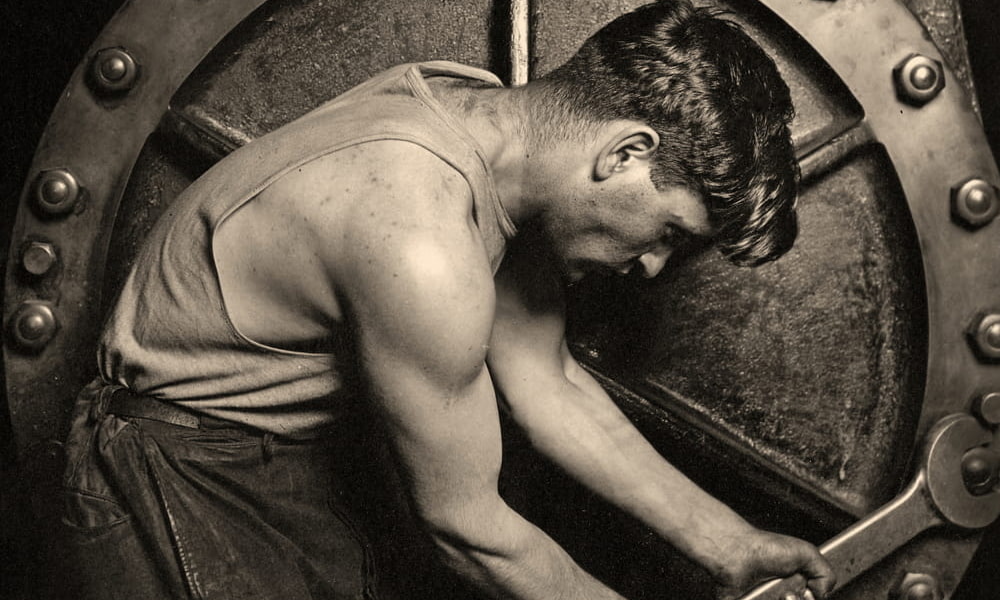
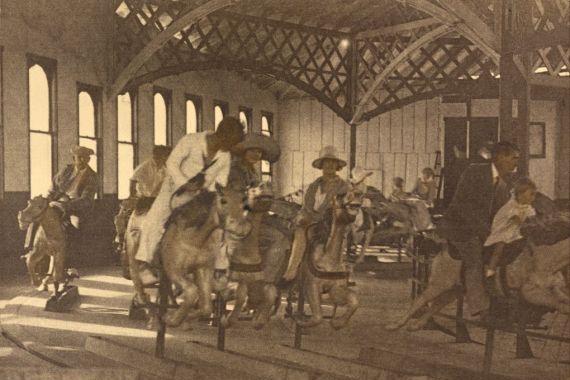
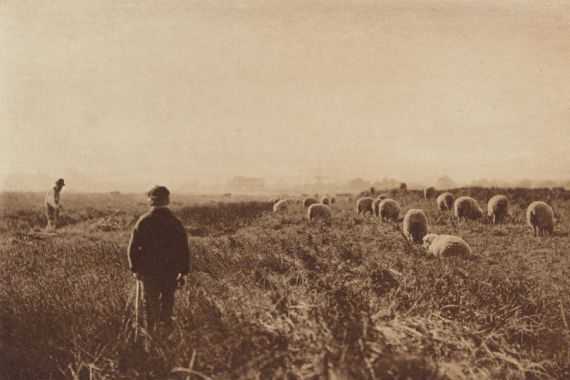
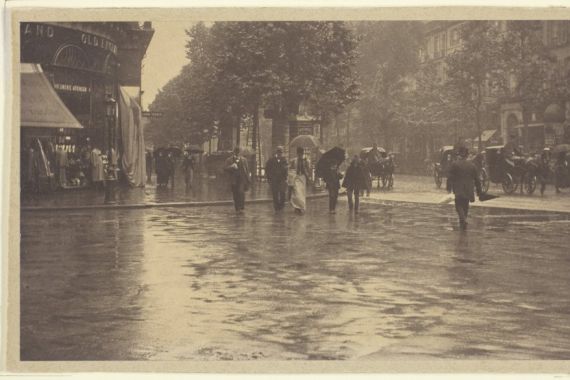
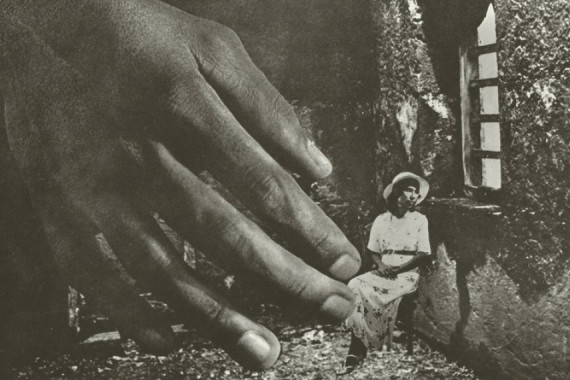
Photography: Captured Moments from Times Long Past

An impressive archive of bygone eras, captured in snapshots that preserve the essence of their time.


Discover Photography now!

Österreichische Kunstmanufaktur Erfahrungen & Bewertungen zu Meisterdrucke auf ProvenExpert.com

Photography: Captured Moments from Times Long Past

An impressive archive of bygone eras, captured in snapshots that preserve the essence of their time.

Discover Photography now!
Photography
Passionate Customer Service
Museum Quality Art Prints
Individual Customization Options
Österreichische Kunstmanufaktur Passionate Customer Service
Museum Quality Art Prints
Individual Customization Options


Photographers Who Captured Time

Photographers Who Captured Time

Photography: 191 artists found

Page 1 / 2


Photography

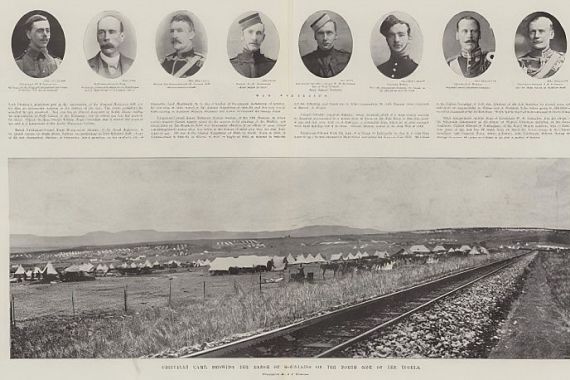
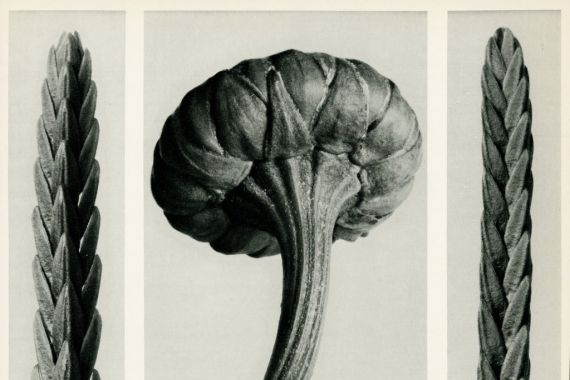
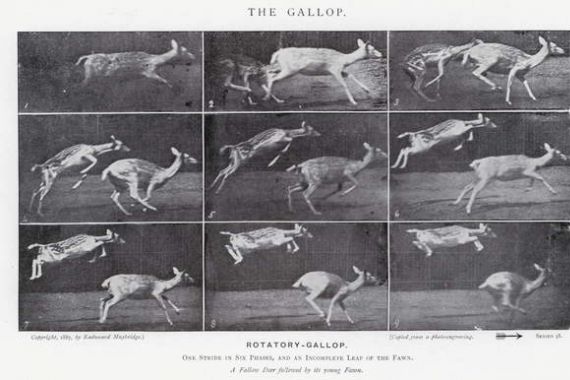
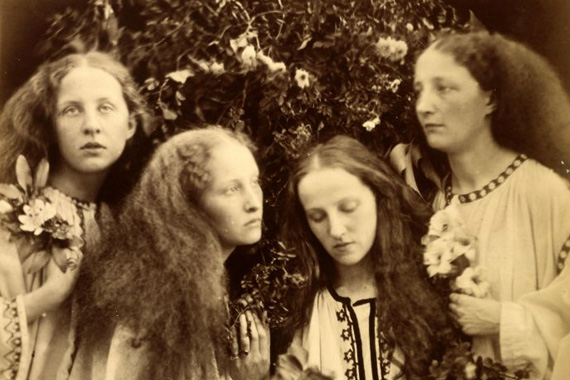
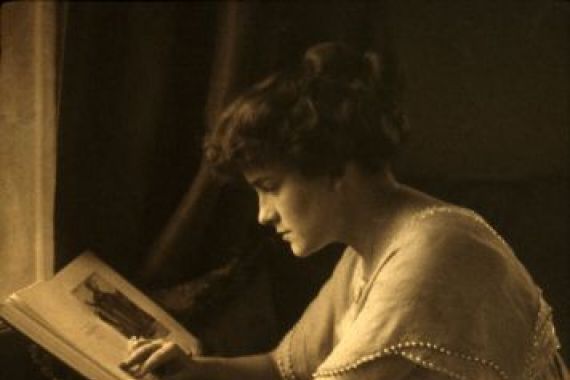
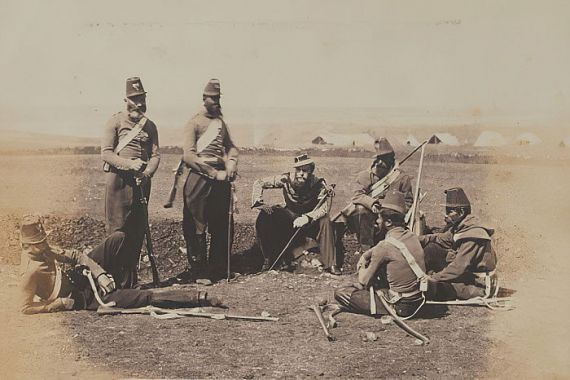
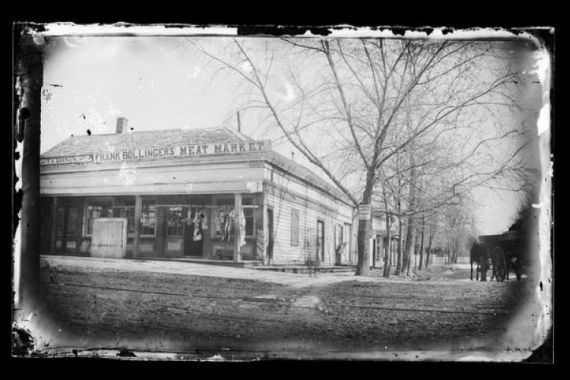
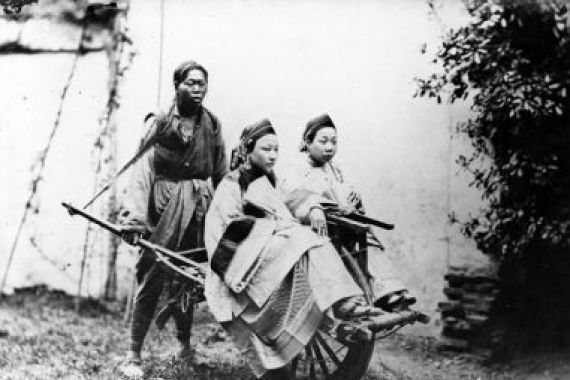
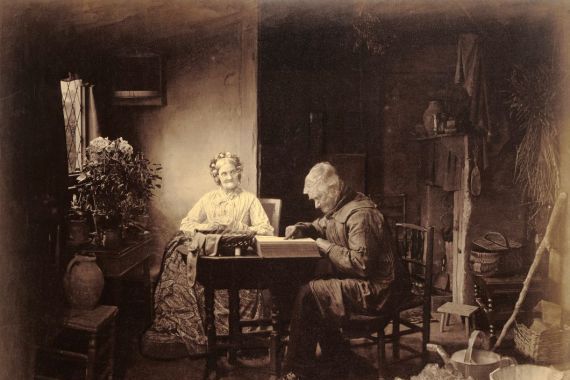
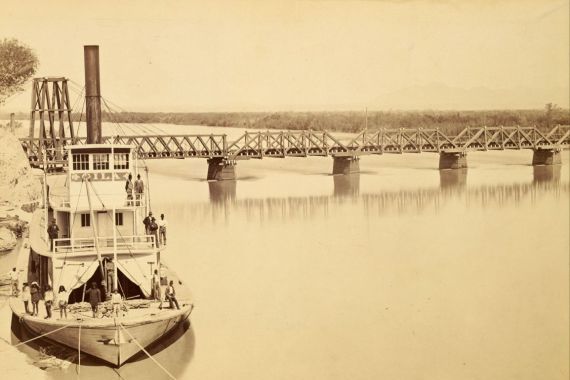
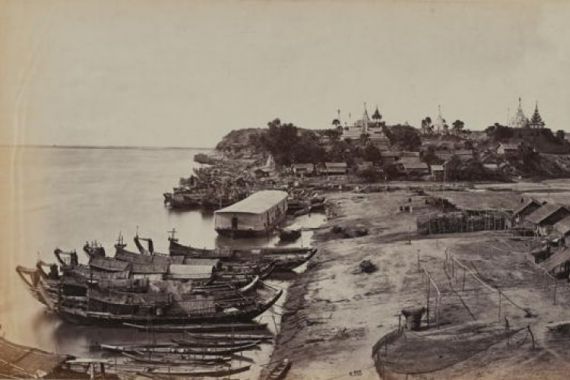
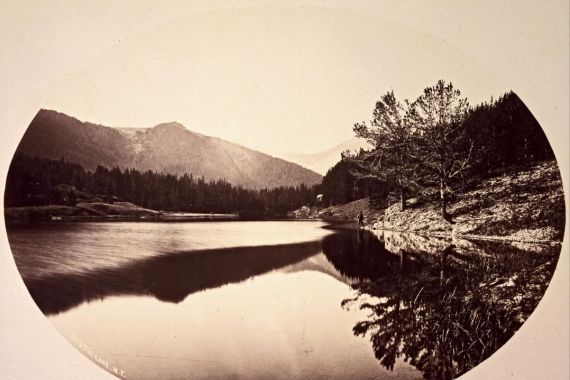
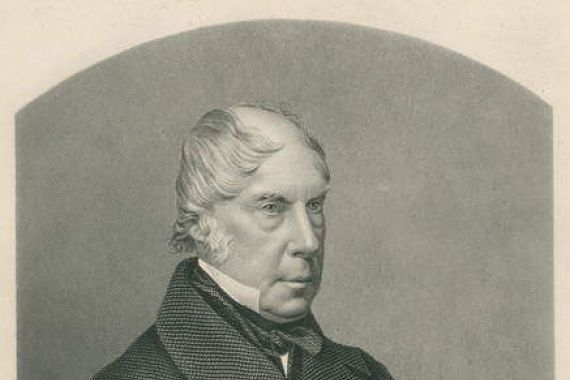
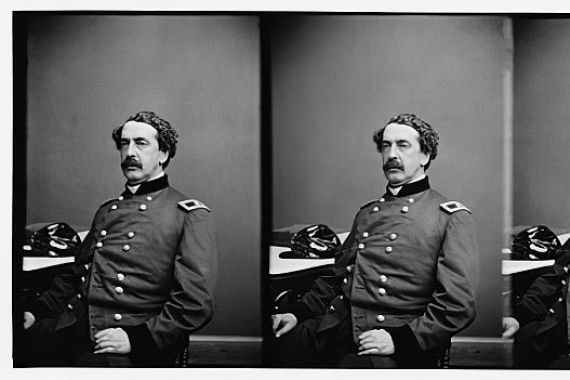
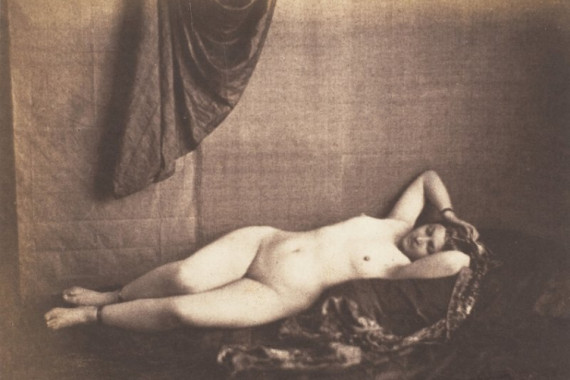
The first mechanical duplication process was heliography, discovered by Niepce. Daguerrotype, developed in 1838, already required much shorter exposure times. From 1880, photography was possible for everyone thanks to the invention of the dry plate. In order to do justice to their own aspirations, associations for photography were founded all over Europe and the USA. They wanted to establish photography as an art form in its own right. They organized exhibitions, lectures and exchanged ideas.

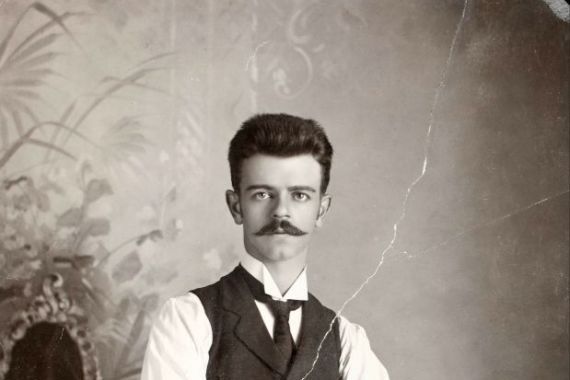
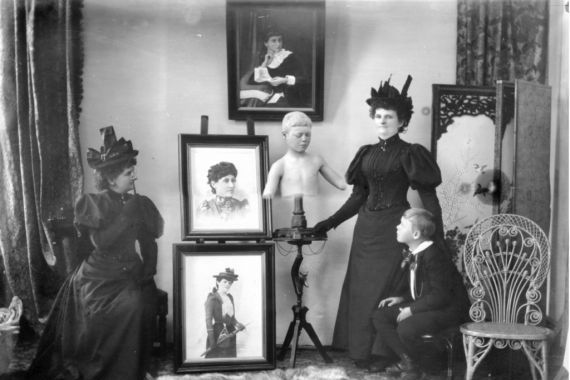
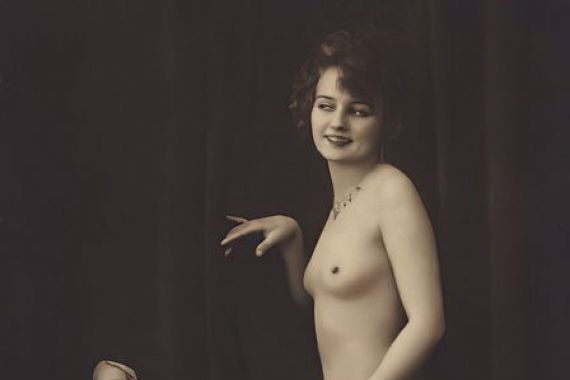
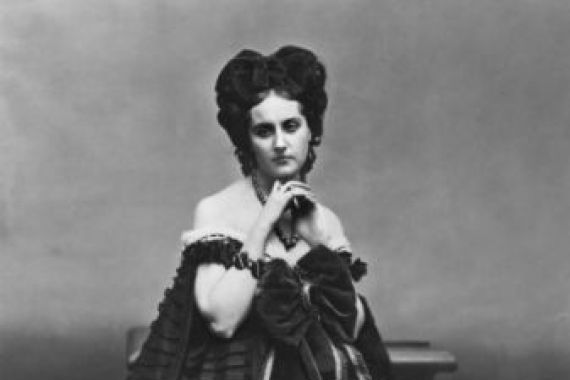
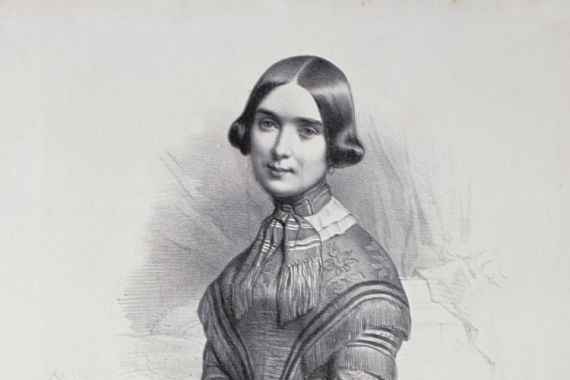
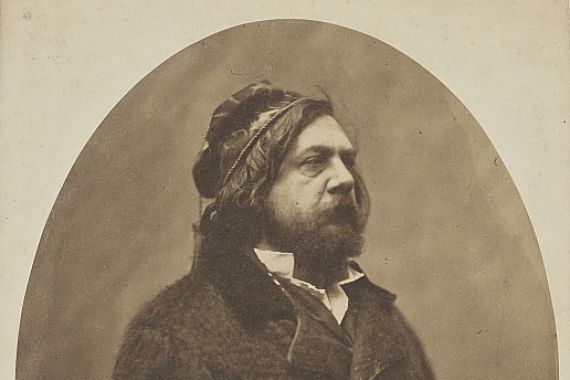
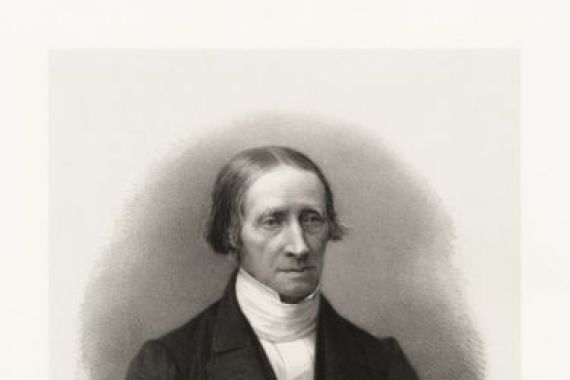
The art of photography in the 19th century developed mainly from the desire of the middle classes to obtain expressive portraits. Until then, this was the domain of painting. People dressed up for a photo session, it was an event. Long exposure times required long sessions, which in turn required effort. From the beginning, portrait photography was the focus of classical photography.

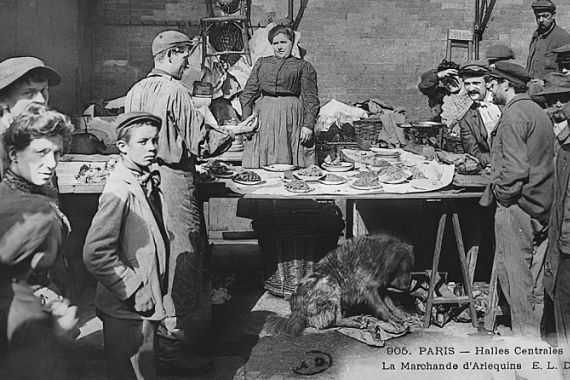
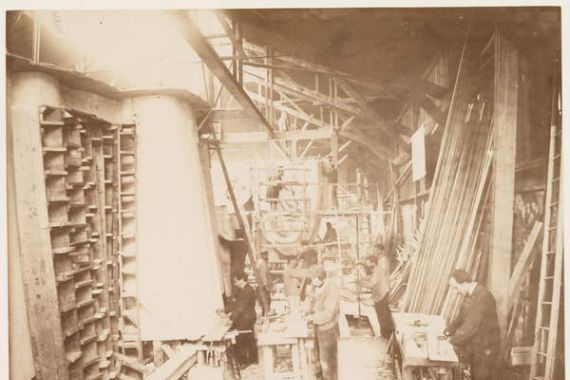
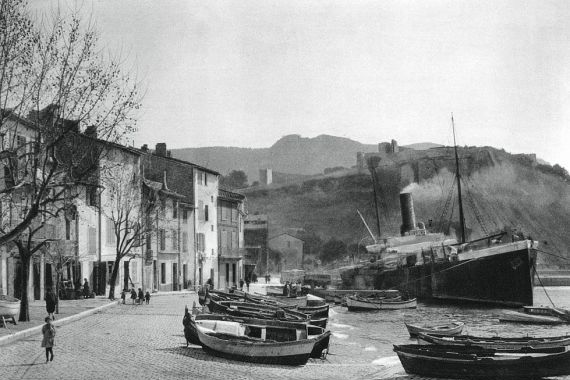
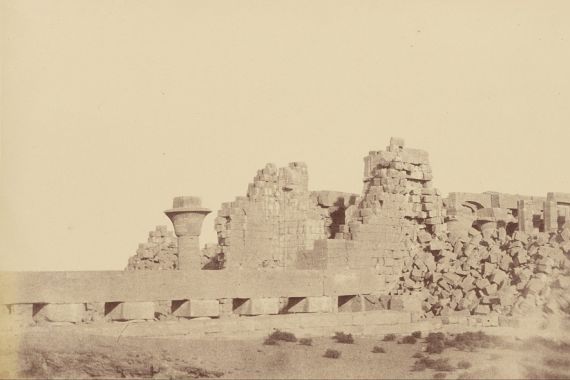
Photography in this century was undergoing rapid change. The new technology changed constantly and allowed limitless possibilities of representation. One retouched, copied and worked with various creative elements. Theatres and public places also became more and more important, which also resulted in enormous development potential for photography. Many photographic works of the time were based on Impressionist painting. Art Nouveau also played an important role. At the same time, the fantastic possibilities of photography for documentation purposes were recognized. Therefore, it was increasingly used in architecture and industry.

Photography

The first mechanical duplication process was heliography, discovered by Niepce. Daguerrotype, developed in 1838, already required much shorter exposure times. From 1880, photography was possible for everyone thanks to the invention of the dry plate. In order to do justice to their own aspirations, associations for photography were founded all over Europe and the USA. They wanted to establish photography as an art form in its own right. They organized exhibitions, lectures and exchanged ideas.

The art of photography in the 19th century developed mainly from the desire of the middle classes to obtain expressive portraits. Until then, this was the domain of painting. People dressed up for a photo session, it was an event. Long exposure times required long sessions, which in turn required effort. From the beginning, portrait photography was the focus of classical photography.

Photography in this century was undergoing rapid change. The new technology changed constantly and allowed limitless possibilities of representation. One retouched, copied and worked with various creative elements. Theatres and public places also became more and more important, which also resulted in enormous development potential for photography. Many photographic works of the time were based on Impressionist painting. Art Nouveau also played an important role. At the same time, the fantastic possibilities of photography for documentation purposes were recognized. Therefore, it was increasingly used in architecture and industry.


What our customers think about us


Frequently Asked Questions about Meisterdrucke


Personalizing your art print at Meisterdrucke is simple and intuitive: Choose a frame, set the image size, pick a printing medium, and add suitable glazing or a stretcher frame. We also offer additional customization options like mats, fillets, and spacers. If you have any questions, our customer service team is ready to help you create your perfect artwork.

At Meisterdrucke, you can visualize your configured artwork directly in your own room. Simply upload a photo of your space and see how the artwork looks in it. If you're visiting us on a mobile device — phone or tablet — our augmented reality feature brings the picture to life and projects it right into your room. A unique experience that combines art and technology.
Choosing the right medium is often a matter of personal taste. To give you a better idea, we've provided some images for each medium. We also offer a sample set of all paper variants, so you can decide not just visually but by touch as well. You can order the sample set free of charge — only shipping costs apply.

Don't worry! At Meisterdrucke, we don't just process orders mechanically. Every order is manually reviewed by our team. If we spot any inconsistencies or issues with your configuration, we'll get in touch with you right away. And of course, our friendly and patient support team is always here to help you with your configuration. We'll work with you by phone or email to adjust your image so the final result is exactly what you had in mind.


Still have questions?

Are you interested in an art print from our manufactory but still unsure? Do you need advice on choosing the medium or help with the order?
Our experts are happy to assist you.

+43 4257 29415
support@meisterdrucke.com
Mo-Do: 7:00 - 16:00 | Fr: 7:00 - 13:00

Still have questions?

Are you interested in an art print from our manufactory but still unsure? Do you need advice on choosing the medium or help with the order?
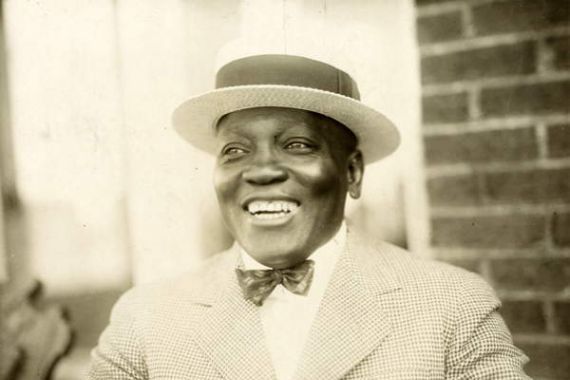
Our experts are happy to assist you.

+43 4257 29415
support@meisterdrucke.com
Mo-Do: 7:00 - 16:00 | Fr: 7:00 - 13:00

Meisterdrucke

   Kärntner Strasse 46
        9586 Finkenstein am Faaker See
        Austria
        +43 4257 29415
        support@meisterdrucke.com
Other languages

                   
Erfahrungen & Bewertungen zu Meisterdrucke
Post.at DHL Express Quehenberger Cargoboard
Kaiser Franz Joseph

Meisterdrucke
Kärntner Strasse 46
9586 Finkenstein am Faaker See · Austria
+43 4257 29415 · office@meisterdrucke.com
Post.at DHL Express Quehenberger Cargoboard


(c) 2026 meisterdrucke.us