The Englishman William Etty became famous in his homeland through provocative nude paintings, which were considered immoral and indecent in their time. Repeatedly, his pictures caused a scandal and provoked strongly negative reactions from the bourgeois public. His paintings showed scenes from classical mythology whose protagonists were naked as in "The Judgement of Paris" or "Diana standing at a waterfall".
Etty was born as the son of a London baker and began training as a draughtsman at the age of eleven, some of which he received from his uncle, who was also a painter. When Etty showed his painting "Amor and Psyche" to the painter John Opie, the latter suggested him for the Royal Academy of Arts, where he was a student and later a teacher. Etty was often accused of painting too offensive pictures and thus not behaving adequately according to the customs of the Royal Academy. Etty, on the other hand, thought he was an admirer of beauty who never sought to seduce or do anything immoral. The beauty of a woman longed for her naked image. Unveiled, female innocence was only all the more visible. "To the pure in heart, all things are pure."
 ×
×







 Passionate Customer Service

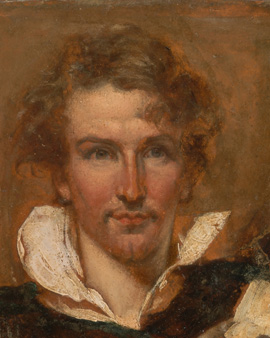
.jpg "Standing Male Nude by William Etty")
.jpg)
.jpg "Male Nude, with Arms Up-Stretched by William Etty")
.jpg)
.jpg "A Male Nude, seated full-length by William Etty")
.jpg)
 - (MeisterDrucke-207011).jpg "Female Nude from the Side, 1830 by William Etty")
 - (MeisterDrucke-207011).jpg)
.jpg "Nude, 19th Century, 1934 by William Etty")
.jpg)
.jpg "Male Nude, Kneeling, from the Back by William Etty")
.jpg)
.jpg "Nude Model Reclining by William Etty")
.jpg)
.jpg "Nude from Behind by William Etty")
.jpg)
_-_(MeisterDrucke-1010665).jpg "The Water Carrier by William Etty")
_-_(MeisterDrucke-1010665).jpg)
.jpg "Female nude seen from the back, c. 1835-40 by William Etty")
.jpg)
.jpg "Nude woman reclining, early 19th century by William Etty")
.jpg)
.jpg "Female Nude from behind by William Etty")
.jpg)
.jpg "Nude from the Front by William Etty")
.jpg)
.jpg "Bathing Nude by William Etty")
.jpg)
.jpg "The Bather, c. 1825-30 by William Etty")
.jpg)
.jpg "Nude Lying on a Sofa against a Red Curtain by William Etty")
.jpg)
.jpg "Half-Length Nude, Right Arm Raised to Head by William Etty")
.jpg)
 - (MeisterDrucke-281970).jpg "Nude Female Standing by William Etty")
 - (MeisterDrucke-281970).jpg)
.jpg "Nude Study of a Reclining Woman, 1849 by William Etty")
.jpg)
.jpg "Male Nude, Kneeling, from the Back by William Etty")
.jpg)
.jpg "Love")
.jpg)
.jpg "Two Girls Bathing by William Etty")
.jpg)
 - (MeisterDrucke-223983).jpg "Standing Female Nude by a Stream, 1825 by William Etty")
 - (MeisterDrucke-223983).jpg)
 - (MeisterDrucke-225018).jpg "Diana standing by a waterfall by William Etty")
 - (MeisterDrucke-225018).jpg)
.jpg "Study of Nude Man, c. 1807-49 by William Etty")
.jpg)
.jpg "Study of a Seated Nude by William Etty")
.jpg)
.jpg "Candaules, King of Lydia, shows his wife secretly to Gyges, one of his ministers, while she goes to bed. This image illustrates Herodotus")
.jpg)
.jpg "The Judgement of Paris by William Etty")
.jpg)
_-_(MeisterDrucke-1465765).jpg "The Sirens And Ulysses, c.1837 by William Etty")
_-_(MeisterDrucke-1465765).jpg)
.jpg "A Young Woman Reclining on a Fur Rug by William Etty")
.jpg)
.jpg "Nude by William Etty")
.jpg)
.jpg "Study of a Female Nude by William Etty")
.jpg)
_-_(MeisterDrucke-1132655).jpg "Female nude from the side by William Etty")
_-_(MeisterDrucke-1132655).jpg)
_-_(MeisterDrucke-1646850).jpg "Venus and Cupid by William Etty")
_-_(MeisterDrucke-1646850).jpg)
_-_(MeisterDrucke-1647115).jpg "Hero and Leander by William Etty")
_-_(MeisterDrucke-1647115).jpg)
 - (MeisterDrucke-293982).jpg "Seated Female Nude by William Etty")
 - (MeisterDrucke-293982).jpg)
_(oil_on_canvas)_-_(MeisterDrucke-1500407).jpg "Louisa Vaughan (nee Rolls) by William Etty")
_(oil_on_canvas)_-_(MeisterDrucke-1500407).jpg)
_-_(MeisterDrucke-1466260).jpg "Study of a peacock by William Etty")
_-_(MeisterDrucke-1466260).jpg)
.jpg "The Bather by William Etty")
.jpg)
_-_(MeisterDrucke-978099).jpg "Guardsman Higgins, c.1830 by William Etty")
_-_(MeisterDrucke-978099).jpg)
_-_(MeisterDrucke-980438).jpg "Standing Nude by William Etty")
_-_(MeisterDrucke-980438).jpg)
.jpg "Allegory by William Etty")
.jpg)
_delivant_Orleans_Painting_by_Etty_William_-_(MeisterDrucke-1030053).jpg "100-year war: Joan of Arc (1412-1431) delivering Orleans by William Etty")
_delivant_Orleans_Painting_by_Etty_William_-_(MeisterDrucke-1030053).jpg)
_-_(MeisterDrucke-1647094).jpg "Study of a Black Boy by William Etty")
_-_(MeisterDrucke-1647094).jpg)
_-_(MeisterDrucke-1646829).jpg "The Wood Children - Emily, Frederick and Mary, c.1845 by William Etty")
_-_(MeisterDrucke-1646829).jpg)
.jpg "The Wrestlers by William Etty")
.jpg)
_-_(MeisterDrucke-1646747).jpg "Flowers of the Forest, c.1836 by William Etty")
_-_(MeisterDrucke-1646747).jpg)
_-_(MeisterDrucke-1425472).jpg "Nymphs with a Sea Monster by William Etty")
_-_(MeisterDrucke-1425472).jpg)
 - (MeisterDrucke-280659).jpg "Reclining Nude by William Etty")
 - (MeisterDrucke-280659).jpg)
_-_(MeisterDrucke-1226160).jpg "Scene from the Inferno (canto IX) by William Etty")
_-_(MeisterDrucke-1226160).jpg)
.jpg "Study of a Half-Nude Figure by William Etty")
.jpg)
.jpg "Standing Female Nude by William Etty")
.jpg)
.jpg "Seated Nude by William Etty")
.jpg)
.jpg "Le Concert Champetre, after Titian by William Etty")
.jpg)
.jpg "The Three Graces by William Etty")
.jpg)
_-_(MeisterDrucke-1466791).jpg "The Honourable Mrs. Caroline Norton and Her Sisters, c.1847 by William Etty")
_-_(MeisterDrucke-1466791).jpg)
_-_(MeisterDrucke-1466952).jpg "Andromeda and Perseus, c.1840 by William Etty")
_-_(MeisterDrucke-1466952).jpg)
_-_(MeisterDrucke-935794).jpg "Seated Nude by William Etty")
_-_(MeisterDrucke-935794).jpg)
_-_(MeisterDrucke-1646744).jpg "Elizabeth Potts by William Etty")
_-_(MeisterDrucke-1646744).jpg)
_-_(MeisterDrucke-308596).jpg "Venus and Cupid by William Etty")
_-_(MeisterDrucke-308596).jpg)
.jpg "Cleopatra")
.jpg)
_-_(MeisterDrucke-1466674).jpg "Seated Male Model by William Etty")
_-_(MeisterDrucke-1466674).jpg)
.jpg "Manlius Hurled From The Rock by William Etty")
.jpg)
.jpg "Study of a Draped Nude by William Etty")
.jpg)
.jpg "The Penitent Magdalen by William Etty")
.jpg)
.jpg "Study for a Male Nude by William Etty")
.jpg)
.jpg "Monk Bar, York by William Etty")
.jpg)
.jpg "A Bather by William Etty")
.jpg)
.jpg "The Deluge by William Etty")
.jpg)
 - (MeisterDrucke-574943).jpg "Le Concert Champetre, after Titian by William Etty")
 - (MeisterDrucke-574943).jpg)
 - (MeisterDrucke-244179).jpg "Portrait of a Man by William Etty")
 - (MeisterDrucke-244179).jpg)
_-_(MeisterDrucke-1129774).jpg "Galatea by William Etty")
_-_(MeisterDrucke-1129774).jpg)
 - (MeisterDrucke-291475).jpg "Two Female Nudes by William Etty")
 - (MeisterDrucke-291475).jpg)
_-_(MeisterDrucke-1646734).jpg "Male Nude by William Etty")
_-_(MeisterDrucke-1646734).jpg)
.jpg "Studies of Men Running by William Etty")
.jpg)
.jpg "Cupid and Psyche by William Etty")
.jpg)
.jpg "The Assumption of the Virgin by William Etty")
.jpg)
_-_(MeisterDrucke-909452).jpg "Allegorical Study, A Sketch by William Etty")
_-_(MeisterDrucke-909452).jpg)
.jpg "Phaedria and Cymochles by William Etty")
.jpg)
.jpg "Woman at a Fountain by William Etty")
.jpg)
_-_(MeisterDrucke-1646855).jpg "Benaiah by William Etty")
_-_(MeisterDrucke-1646855).jpg)
_-_(MeisterDrucke-1647108).jpg "Study of Mlle Rachel by William Etty")
_-_(MeisterDrucke-1647108).jpg)
.jpg "Study of Male Figure by William Etty")
.jpg)
_-_(MeisterDrucke-1647042).jpg "The Toilet of Venus by William Etty")
_-_(MeisterDrucke-1647042).jpg)
_-_(MeisterDrucke-393214).jpg "Pastoral Concert (after Titian) by William Etty")
_-_(MeisterDrucke-393214).jpg)
.jpg "Pandora Crowned by the Seasons by William Etty")
.jpg)
_-_(MeisterDrucke-1646729).jpg "Women Bathing by William Etty")
_-_(MeisterDrucke-1646729).jpg)
_-_(MeisterDrucke-908727).jpg "Two Standing Male Nudes by William Etty")
_-_(MeisterDrucke-908727).jpg)
.jpg "The Destroying Angel and Daemons of Evil Interrupting the Orgies of the Vicious and Intemperate by William Etty")
.jpg)
_-_(MeisterDrucke-1646745).jpg "A Bacchante by William Etty")
_-_(MeisterDrucke-1646745).jpg)
 (see also 283748) - (MeisterDrucke-152646).jpg "Le Concert Champetre, after Titian by William Etty")
 (see also 283748) - (MeisterDrucke-152646).jpg)
.jpg "The Storm by William Etty")
.jpg)
_-_(MeisterDrucke-1132654).jpg "Mercy Interceding for the Vanquished by William Etty")
_-_(MeisterDrucke-1132654).jpg)
 - (MeisterDrucke-66998).jpg "Moonlit Nude by William Etty")
 - (MeisterDrucke-66998).jpg)
_-_(MeisterDrucke-1630541).jpg "Supper at Emmaus, after Titian by William Etty")
_-_(MeisterDrucke-1630541).jpg)
.jpg "The Bather by William Etty")
.jpg)
.jpg "Unknown Image by William Etty")
.jpg)
.jpg "Study of a Horse by William Etty")
.jpg)
_-_(MeisterDrucke-1133821).jpg "Venus and Cupid with a Dove by William Etty")
_-_(MeisterDrucke-1133821).jpg)
.jpg "Male Nude Leaning on Staff by William Etty")
.jpg)

 +43 4257 29415
 support@meisterdrucke.com
 Mo-Do: 7:00 - 16:00 | Fr: 7:00 - 13:00