support@meisterdrucke.com  ·  0043 4257 29415

Deutsch English Italiano Español Français Nederlands Português Svenska Polski Dansk
Search by artist, work title or style – e.g. Monet, Starry Night, Impressionism, Hokusai wave, nude. Describe the scene – e.g. green meadow, abstract with lots of red, dark oil painting, standing nude next to a tree.

Discover 7 artists from India

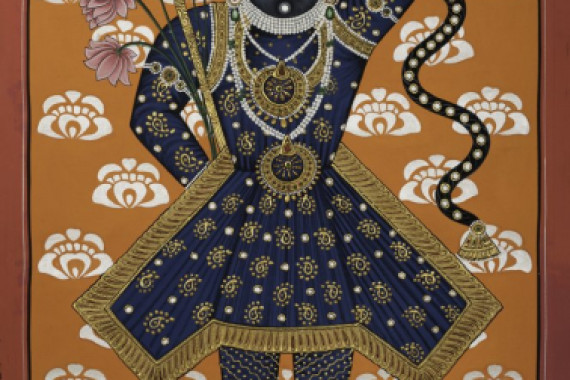
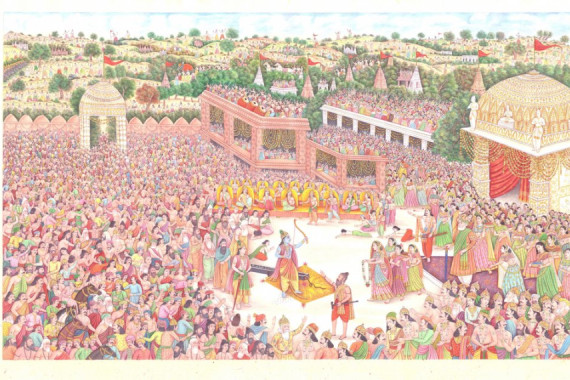
Indian paintings shimmer with gods, legends, and radiant hues—a feast for the senses and soul.


Discover artists now!
Österreichische Kunstmanufaktur Erfahrungen & Bewertungen zu Meisterdrucke auf ProvenExpert.com

Discover 7 artists from India

Indian paintings shimmer with gods, legends, and radiant hues—a feast for the senses and soul.

Discover artists now!
Artists from Around the World – Country Overview
Passionate Customer Service
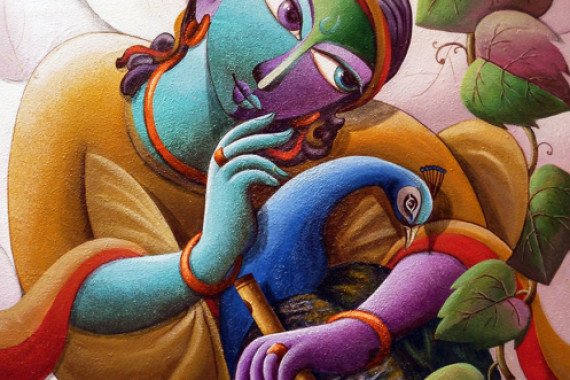
Museum Quality Art Prints
Individual Customization Options
Österreichische Kunstmanufaktur Passionate Customer Service
Museum Quality Art Prints
Individual Customization Options


Artists from India – From Classical Masters to Modern Art

Artists from India – From Classical Masters to Modern Art

India’s Artists: Myths in a Symphony of Color

Page 1 / 1


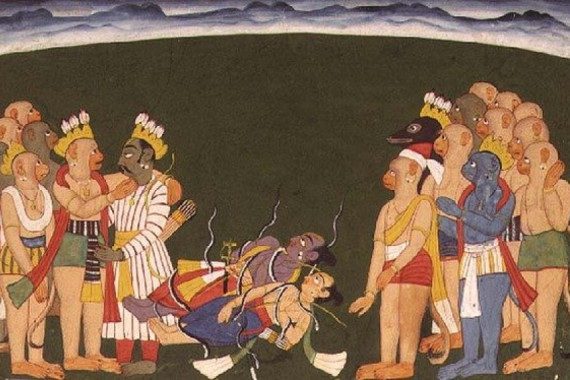
A bright splash of colour on rough paper, a hint of saffron yellow next to deep indigo - this is how the story of Indian painting begins, unfolding like a kaleidoscope of opposites. In India, worlds have been colliding for centuries: on the one hand, the age-old need for spiritual depth, on the other, the longing for individuality and expression. Indian art is a mirror of this tension, a constant struggle between tradition and renewal, between the collective memory of the community and the voice of the individual. When you look at an Indian watercolour, you often feel both at the same time: the quiet power of centuries-old motifs and the rebellion against the expected.


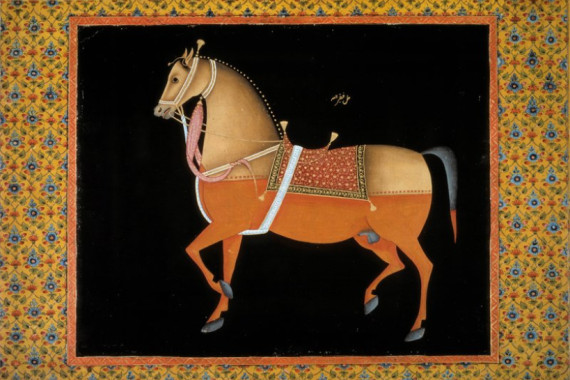
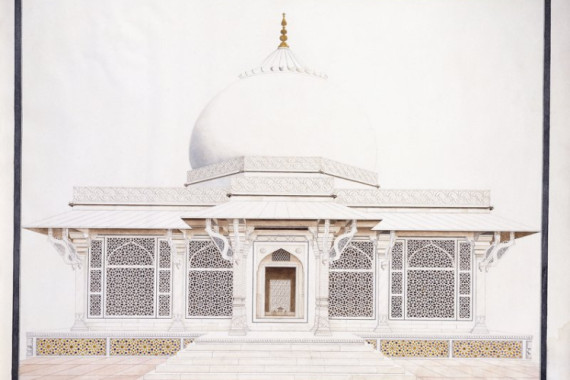
A glance at the miniature paintings of the Mughal period is enough to recognise this inner conflict. While the courtly artists were commissioned by the rulers to create detailed portraits and scenes from palace life, subtle signs of individuality crept into the fine lines and bright colours time and again. The painters, often anonymous, let their own signature shine through in tiny gestures, a furtive glance or an unexpected combination of colours. The Mughal miniatures are not only documents of courtly splendour, but also silent testimonies to artistic self-assertion. And yet, no sooner had a style been established than new influences entered the country - Persian elegance, European perspective, Chinese delicacy. India's painting became a melting pot in which the colours of the world mingled without ever losing their own luminosity.


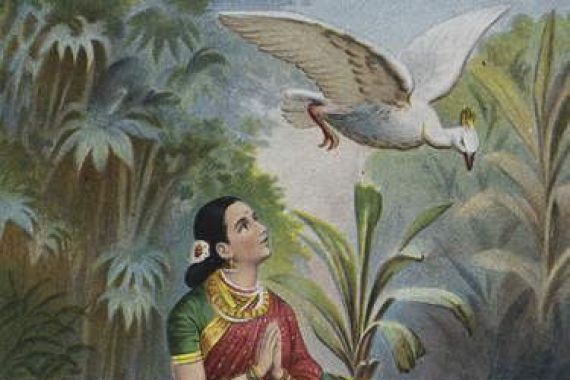
The colonial period brought another break. The British presence not only brought new techniques such as oil painting and printmaking, but also a profound change in the artists' self-image. Suddenly they were faced with the question: How much West can Indian art tolerate Artists such as Raja Ravi Varma dared the balancing act by staging Indian myths in Western oil technique - and thus sparked a controversy that continues to this day: Is adaptation a betrayal of one's own culture or a sign of strength Contemporary artists such as Bhupen Khakhar and Nalini Malani address this conflict by visualising the fractures and contradictions of Indian society in their works. Their paintings, drawings and prints are often like open wounds in which past and present, East and West, tradition and protest meet.


India's art history is not a calm river, but a stream full of rapids and surprising twists and turns. It thrives on the tension between preserving and transgressing boundaries. Anyone who engages with Indian painting, graphic art or photography discovers a world in which colours not only shine, but also tell stories - of longing and resistance, of adaptation and new beginnings. And perhaps it is precisely this eternal dialogue between opposites that makes Indian art so irresistible: it is always in motion, always in search of the next, unexpected image.

A bright splash of colour on rough paper, a hint of saffron yellow next to deep indigo - this is how the story of Indian painting begins, unfolding like a kaleidoscope of opposites. In India, worlds have been colliding for centuries: on the one hand, the age-old need for spiritual depth, on the other, the longing for individuality and expression. Indian art is a mirror of this tension, a constant struggle between tradition and renewal, between the collective memory of the community and the voice of the individual. When you look at an Indian watercolour, you often feel both at the same time: the quiet power of centuries-old motifs and the rebellion against the expected.


A glance at the miniature paintings of the Mughal period is enough to recognise this inner conflict. While the courtly artists were commissioned by the rulers to create detailed portraits and scenes from palace life, subtle signs of individuality crept into the fine lines and bright colours time and again. The painters, often anonymous, let their own signature shine through in tiny gestures, a furtive glance or an unexpected combination of colours. The Mughal miniatures are not only documents of courtly splendour, but also silent testimonies to artistic self-assertion. And yet, no sooner had a style been established than new influences entered the country - Persian elegance, European perspective, Chinese delicacy. India's painting became a melting pot in which the colours of the world mingled without ever losing their own luminosity.


The colonial period brought another break. The British presence not only brought new techniques such as oil painting and printmaking, but also a profound change in the artists' self-image. Suddenly they were faced with the question: How much West can Indian art tolerate Artists such as Raja Ravi Varma dared the balancing act by staging Indian myths in Western oil technique - and thus sparked a controversy that continues to this day: Is adaptation a betrayal of one's own culture or a sign of strength Contemporary artists such as Bhupen Khakhar and Nalini Malani address this conflict by visualising the fractures and contradictions of Indian society in their works. Their paintings, drawings and prints are often like open wounds in which past and present, East and West, tradition and protest meet.


India's art history is not a calm river, but a stream full of rapids and surprising twists and turns. It thrives on the tension between preserving and transgressing boundaries. Anyone who engages with Indian painting, graphic art or photography discovers a world in which colours not only shine, but also tell stories - of longing and resistance, of adaptation and new beginnings. And perhaps it is precisely this eternal dialogue between opposites that makes Indian art so irresistible: it is always in motion, always in search of the next, unexpected image.


What our customers think about us


Frequently Asked Questions about Meisterdrucke


Personalizing your art print at Meisterdrucke is simple and intuitive: Choose a frame, set the image size, pick a printing medium, and add suitable glazing or a stretcher frame. We also offer additional customization options like mats, fillets, and spacers. If you have any questions, our customer service team is ready to help you create your perfect artwork.

At Meisterdrucke, you can visualize your configured artwork directly in your own room. Simply upload a photo of your space and see how the artwork looks in it. If you're visiting us on a mobile device — phone or tablet — our augmented reality feature brings the picture to life and projects it right into your room. A unique experience that combines art and technology.

Choosing the right medium is often a matter of personal taste. To give you a better idea, we've provided some images for each medium. We also offer a sample set of all paper variants, so you can decide not just visually but by touch as well. You can order the sample set free of charge — only shipping costs apply.

Don't worry! At Meisterdrucke, we don't just process orders mechanically. Every order is manually reviewed by our team. If we spot any inconsistencies or issues with your configuration, we'll get in touch with you right away. And of course, our friendly and patient support team is always here to help you with your configuration. We'll work with you by phone or email to adjust your image so the final result is exactly what you had in mind.


Still have questions?

Are you interested in an art print from our manufactory but still unsure? Do you need advice on choosing the medium or help with the order?

Our experts are happy to assist you.

+43 4257 29415
support@meisterdrucke.com
Mo-Do: 7:00 - 16:00 | Fr: 7:00 - 13:00

Still have questions?

Are you interested in an art print from our manufactory but still unsure? Do you need advice on choosing the medium or help with the order?

Our experts are happy to assist you.

+43 4257 29415
support@meisterdrucke.com
Mo-Do: 7:00 - 16:00 | Fr: 7:00 - 13:00


Meisterdrucke

   Kärntner Strasse 46
        9586 Finkenstein am Faaker See
        Austria
        +43 4257 29415
        support@meisterdrucke.com
Other languages

                   
Erfahrungen & Bewertungen zu Meisterdrucke
Post.at DHL Express Quehenberger Cargoboard
Kaiser Franz Joseph

Meisterdrucke
Kärntner Strasse 46
9586 Finkenstein am Faaker See · Austria
+43 4257 29415 · office@meisterdrucke.com
Post.at DHL Express Quehenberger Cargoboard


(c) 2026 meisterdrucke.us