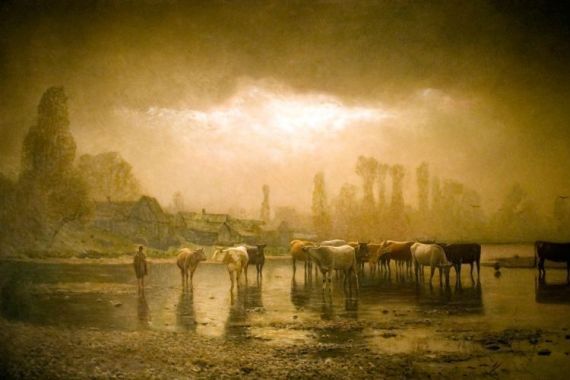
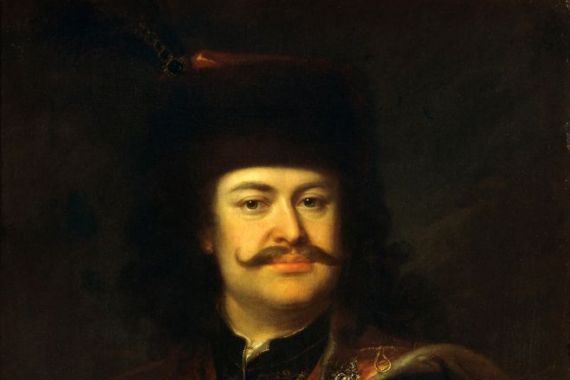
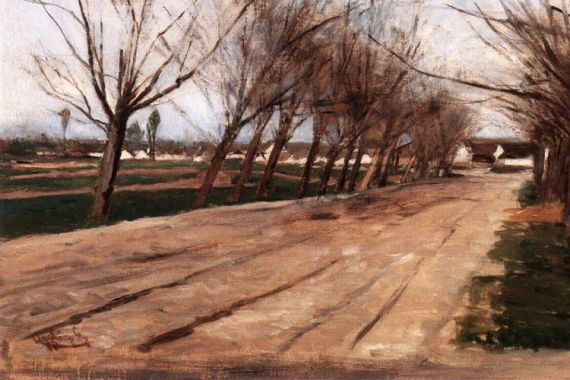
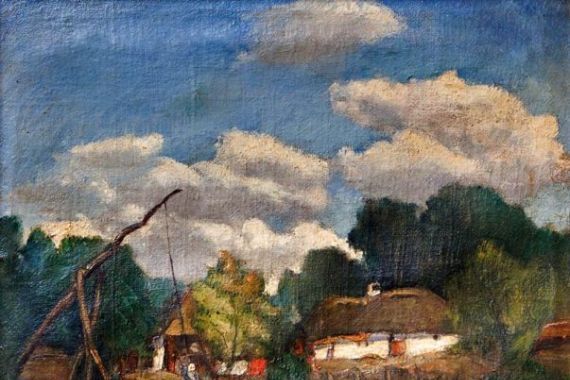
A single brushstroke, rich and luminous, runs like a river through Hungarian art history: it carries the light of the Puszta, the glow of the paprika, the shimmering of the Danube and the melancholy of the endless plains. When you look at Hungarian painting, you immediately sense this special mixture of vastness and intimacy, of closeness to the people and subtle melancholy - as if you were looking through a window that leads into a world of colours, stories and longings.
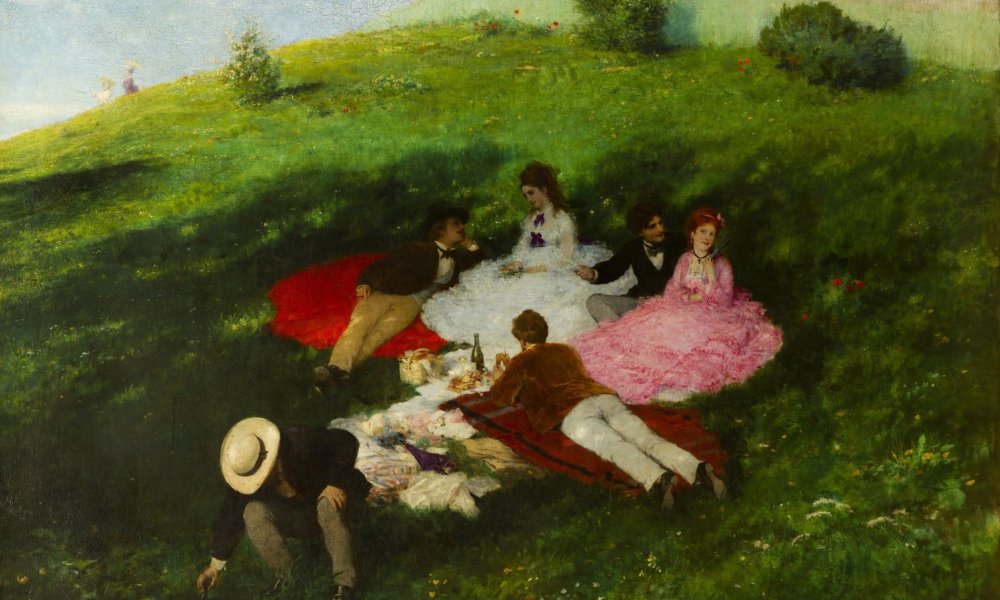
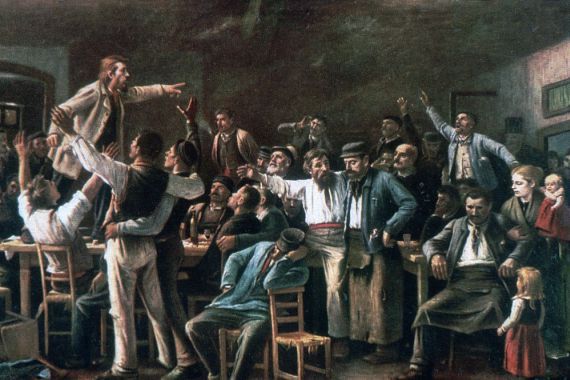
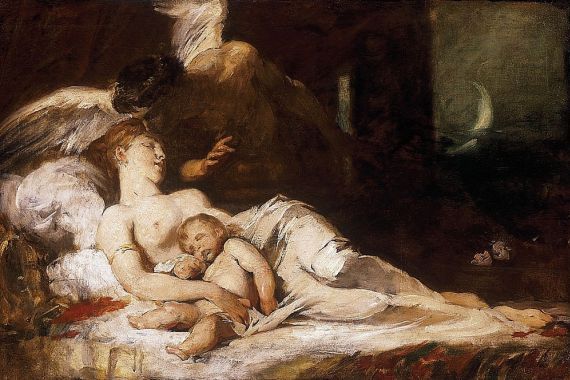
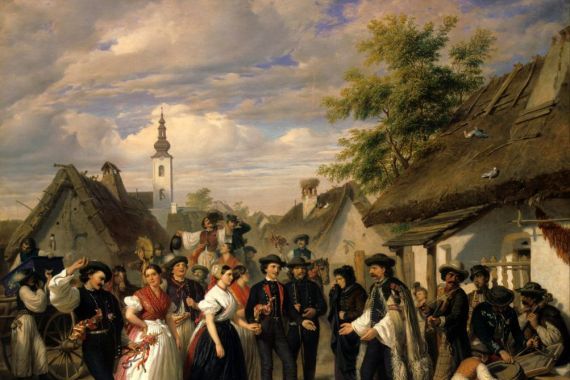
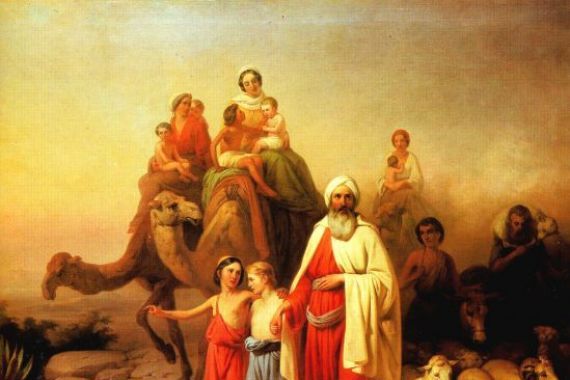
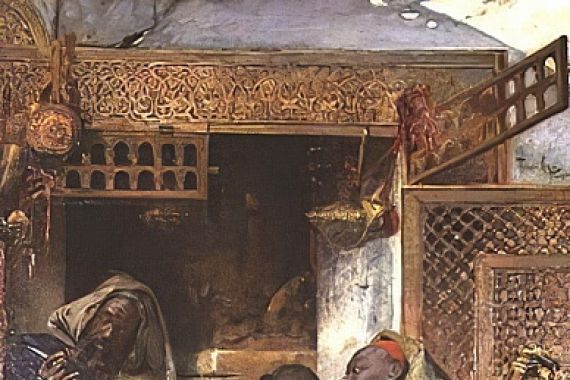
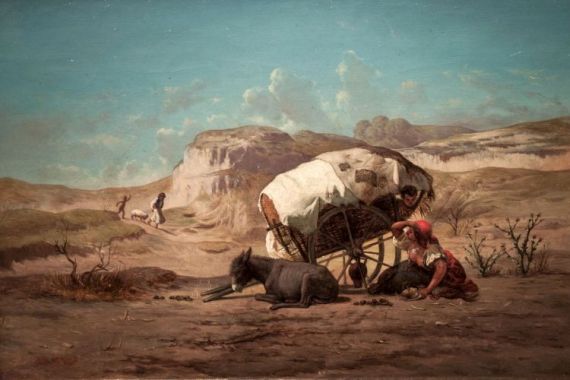
Imagine you are standing in a gallery in Budapest, the light falling on a painting by Mihály Munkácsy: the scene is dramatically dense, the figures seem taken from life, and yet a deep, almost musical sadness resonates in every shadow, in every drapery. Munkácsy, who captured Hungarian folk life on canvas in his monumental oil paintings, was a master at elevating the everyday to the sublime. His works are not mere depictions, but emotional landscapes that reflect the fate of an entire people. And yet he is only one of many who have left their mark on Hungarian painting.
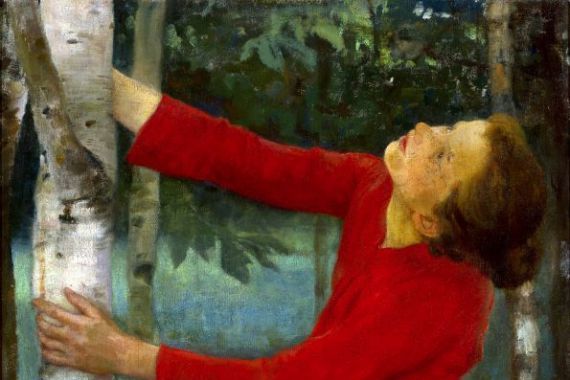
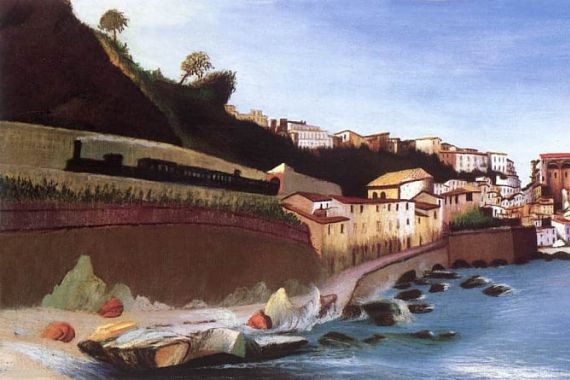
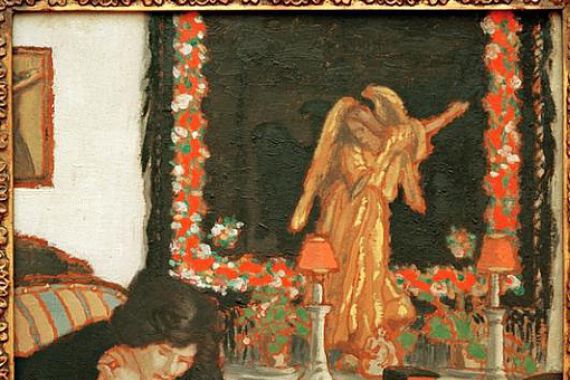
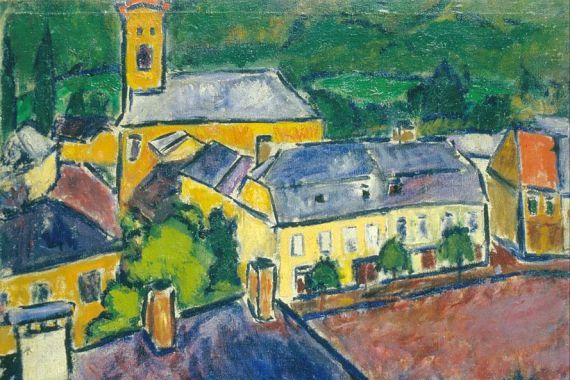
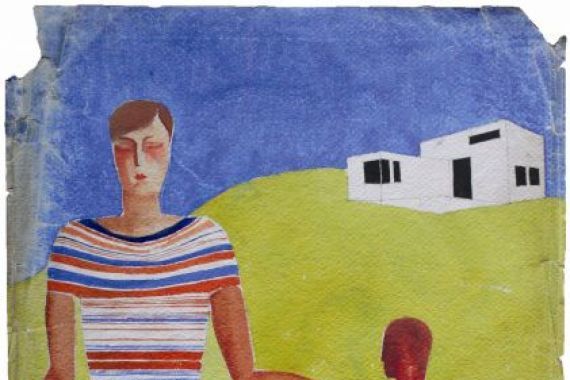
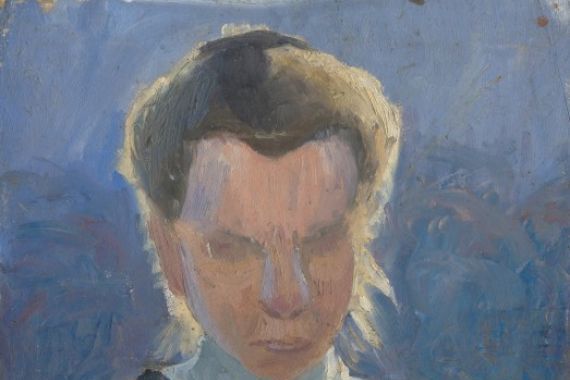
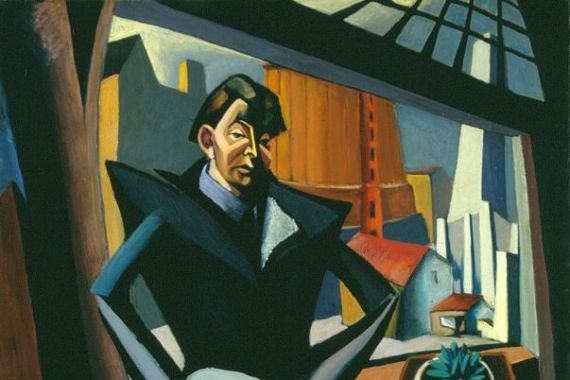
Hungary's art scene has always been a melting pot of influences: Paris, Vienna, Munich - the great metropolises of Europe sent their impulses to the banks of the Danube. But the Hungarian artists made something of their own. The painters of the Nagybánya circle, for example, led by Simon Hollósy, sought the light of nature, which they captured in luminous watercolours and sketches. Their plein-air painting, full of freshness and spontaneity, made the Hungarian light shine like never before. Later, when modernism arrived, the colours exploded: Lajos Tihanyi and Béla Czóbel, both members of the legendary artists' group "The Eight", ventured into expressive colour surfaces and bold compositions that breathed the spirit of the avant-garde. Their works are like jazz on canvas - free, rhythmic, full of surprises.
But it is not only painting that has achieved world fame, Hungarian photography has too. Who hasn't seen the work of Brassaï, who immersed Paris at night in mysterious shadows, or André Kertész, whose poetic black and white photographs transformed the fleeting and the everyday into magical images Both were born in Hungary, both carried the Hungarian sense for the invisible, the between-the-lines, out into the world. Their photographs are silent poems in which light and shadow embrace each other.
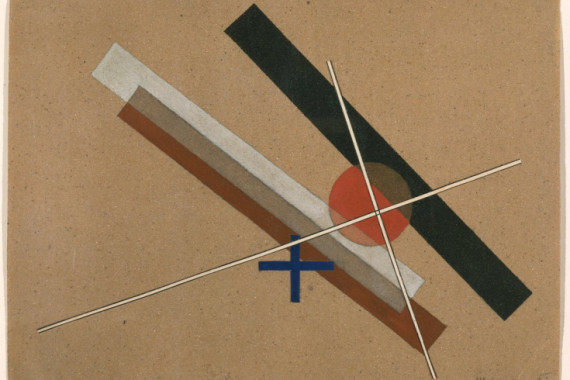
A surprising detail: In the 1960s, a lively scene for experimental printmaking developed in Budapest. Artists such as Vera Molnár, who later became a pioneer of computer art, began to play with geometric forms and serial structures - long before these approaches became popular in Western Europe. The Hungarian graphic scene was a laboratory for new ideas, a place where tradition and innovation met.
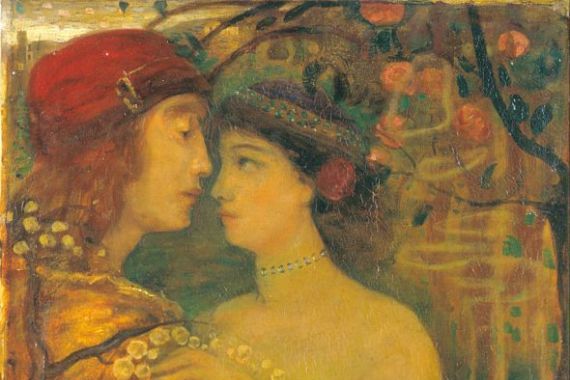
Hungarian art history is a kaleidoscope of colours, forms and moods. It tells of longing and new beginnings, of home and foreign lands, of light and shadow. Anyone who engages with these pictures will not only discover the soul of a country, but also the power of art to make the invisible visible - on canvas, paper or photographic paper, always with a touch of magic.
A single brushstroke, rich and luminous, runs like a river through Hungarian art history: it carries the light of the Puszta, the glow of the paprika, the shimmering of the Danube and the melancholy of the endless plains. When you look at Hungarian painting, you immediately sense this special mixture of vastness and intimacy, of closeness to the people and subtle melancholy - as if you were looking through a window that leads into a world of colours, stories and longings.
Imagine you are standing in a gallery in Budapest, the light falling on a painting by Mihály Munkácsy: the scene is dramatically dense, the figures seem taken from life, and yet a deep, almost musical sadness resonates in every shadow, in every drapery. Munkácsy, who captured Hungarian folk life on canvas in his monumental oil paintings, was a master at elevating the everyday to the sublime. His works are not mere depictions, but emotional landscapes that reflect the fate of an entire people. And yet he is only one of many who have left their mark on Hungarian painting.
Hungary's art scene has always been a melting pot of influences: Paris, Vienna, Munich - the great metropolises of Europe sent their impulses to the banks of the Danube. But the Hungarian artists made something of their own. The painters of the Nagybánya circle, for example, led by Simon Hollósy, sought the light of nature, which they captured in luminous watercolours and sketches. Their plein-air painting, full of freshness and spontaneity, made the Hungarian light shine like never before. Later, when modernism arrived, the colours exploded: Lajos Tihanyi and Béla Czóbel, both members of the legendary artists' group "The Eight", ventured into expressive colour surfaces and bold compositions that breathed the spirit of the avant-garde. Their works are like jazz on canvas - free, rhythmic, full of surprises.
But it is not only painting that has achieved world fame, Hungarian photography has too. Who hasn't seen the work of Brassaï, who immersed Paris at night in mysterious shadows, or André Kertész, whose poetic black and white photographs transformed the fleeting and the everyday into magical images Both were born in Hungary, both carried the Hungarian sense for the invisible, the between-the-lines, out into the world. Their photographs are silent poems in which light and shadow embrace each other.
A surprising detail: In the 1960s, a lively scene for experimental printmaking developed in Budapest. Artists such as Vera Molnár, who later became a pioneer of computer art, began to play with geometric forms and serial structures - long before these approaches became popular in Western Europe. The Hungarian graphic scene was a laboratory for new ideas, a place where tradition and innovation met.
Hungarian art history is a kaleidoscope of colours, forms and moods. It tells of longing and new beginnings, of home and foreign lands, of light and shadow. Anyone who engages with these pictures will not only discover the soul of a country, but also the power of art to make the invisible visible - on canvas, paper or photographic paper, always with a touch of magic.
 ×
× 







 Passionate Customer Service


 +43 4257 29415
 support@meisterdrucke.com
 Mo-Do: 7:00 - 16:00 | Fr: 7:00 - 13:00