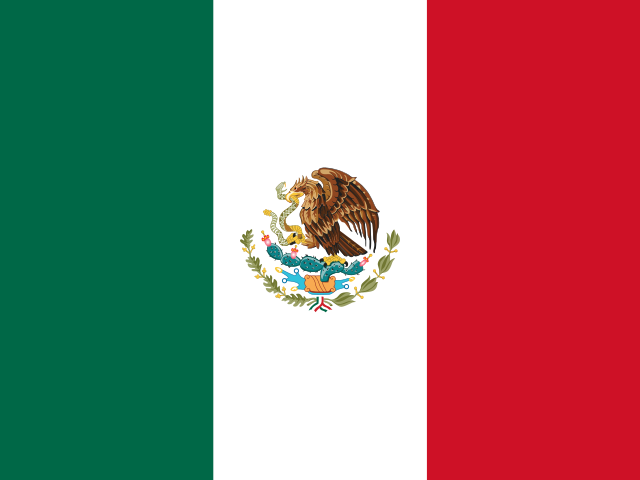
A vibrant red that pulsates through the canvas like a heartbeat, a lush green reminiscent of the damp earth after the summer rains, and in between the deep blue of the sky over Oaxaca - this is how Mexican painting begins to speak long before a brushstroke is made. Mexico's art history is a kaleidoscope that reassembles itself with every social upheaval. The colours and forms that emerge on paper, canvas or as prints are a reflection of a nation that is constantly reinventing itself - and never forgets where it comes from.
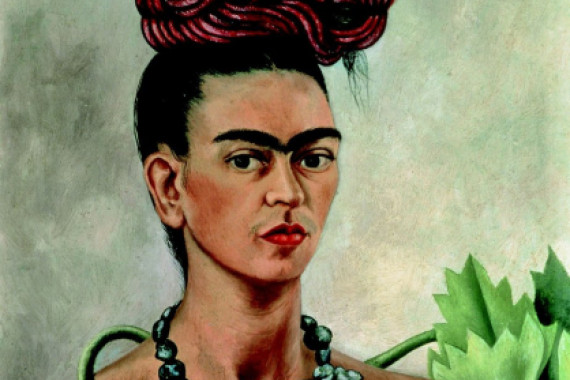
Imagine you are standing in front of a painting by Frida Kahlo: her gaze is direct, almost challenging, and yet full of vulnerability. In her self-portraits, personal tragedies merge with symbols of Mexican identity - crowns of thorns, monkeys, magnificent flowers. Kahlo's art is a dialogue between the inner and outer world, between pain and pride, between the individual and society. Her works are not mere depictions, but emotional maps on which the traces of colonialism, revolution and female self-assertion can be seen. Mexican painting, it seems, is always also a political statement - a rebellion against forgetting, a clinging to one's own voice.
But Mexico is more than Frida. Manuel Álvarez Bravo's camera, for example, captures the everyday and transforms it into poetry: a shady courtyard, a child with a dishevelled dog, an old man in the light of the afternoon sun. His photographs are quiet meditations on life and death, on beauty and transience. In the hands of artists such as Rufino Tamayo or David Alfaro Siqueiros, printmaking becomes a stage for social utopias and dark visions. Tamayo, who set himself apart from the great muralists, experimented with textures and colours, drew inspiration from folk art and created works that hover between dream and reality. Siqueiros, on the other hand, used lithography to capture the dynamism of the revolution - his figures seem to storm out of the paper, driven by an irrepressible energy.
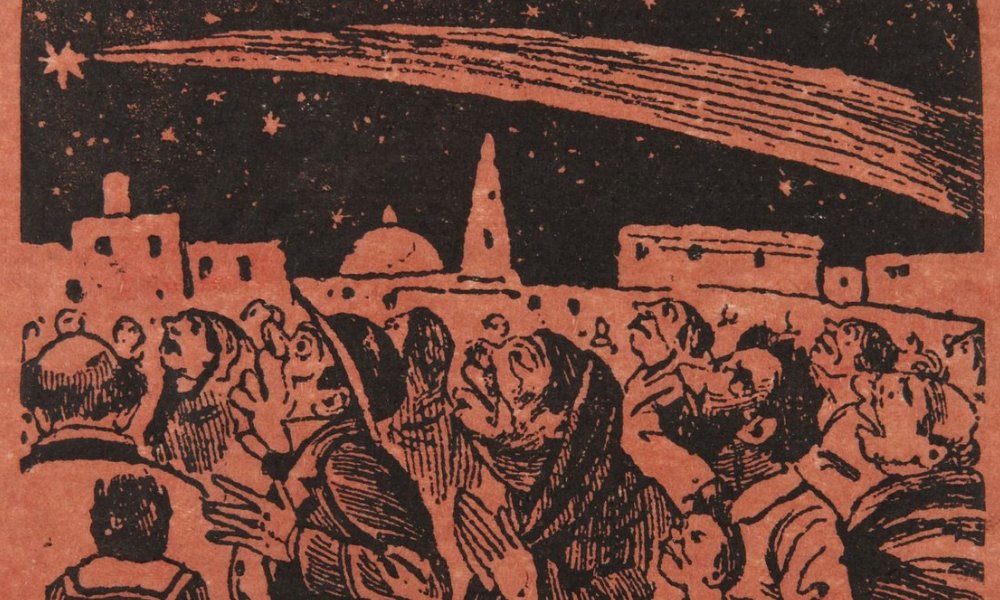
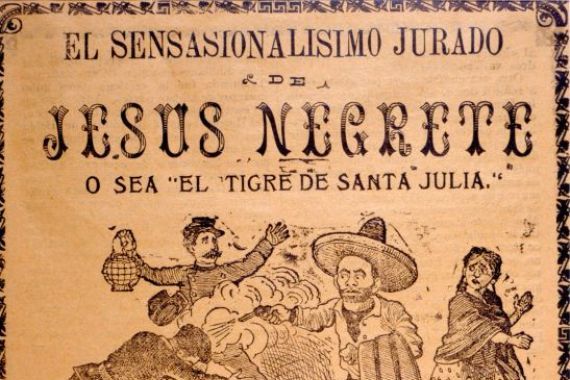
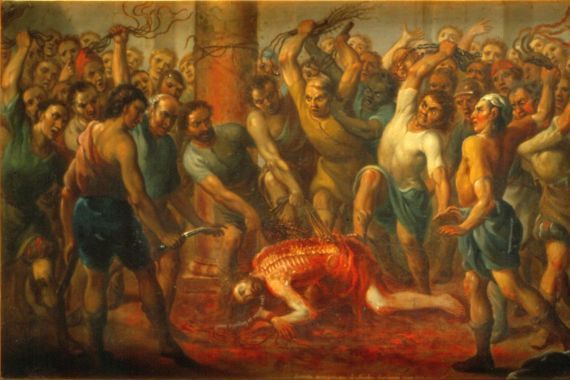
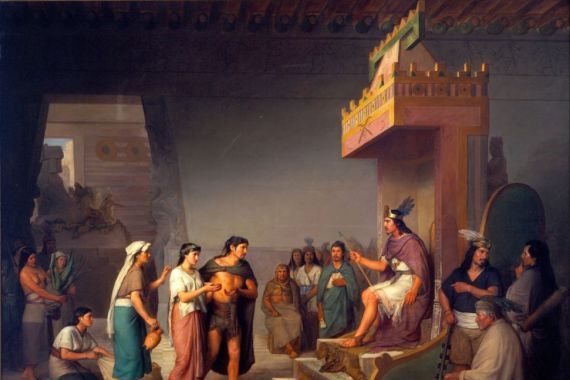
What makes Mexican art so unique is its constant oscillation between tradition and innovation. The painters draw on indigenous motifs, cite the bright colours of the markets, the patterns of the textiles, the myths of the ancestors - and transform them into contemporary pictorial worlds. Society, in turn, takes up this art, discusses it, celebrates it and criticises it. In Mexico, art is never just decoration, but always part of a larger conversation about identity, justice and hope. Anyone who engages with this art senses the shimmering of history, the murmur of the present - and perhaps also a little of the longing that makes this country so irresistible.
A vibrant red that pulsates through the canvas like a heartbeat, a lush green reminiscent of the damp earth after the summer rains, and in between the deep blue of the sky over Oaxaca - this is how Mexican painting begins to speak long before a brushstroke is made. Mexico's art history is a kaleidoscope that reassembles itself with every social upheaval. The colours and forms that emerge on paper, canvas or as prints are a reflection of a nation that is constantly reinventing itself - and never forgets where it comes from.
Imagine you are standing in front of a painting by Frida Kahlo: her gaze is direct, almost challenging, and yet full of vulnerability. In her self-portraits, personal tragedies merge with symbols of Mexican identity - crowns of thorns, monkeys, magnificent flowers. Kahlo's art is a dialogue between the inner and outer world, between pain and pride, between the individual and society. Her works are not mere depictions, but emotional maps on which the traces of colonialism, revolution and female self-assertion can be seen. Mexican painting, it seems, is always also a political statement - a rebellion against forgetting, a clinging to one's own voice.
But Mexico is more than Frida. Manuel Álvarez Bravo's camera, for example, captures the everyday and transforms it into poetry: a shady courtyard, a child with a dishevelled dog, an old man in the light of the afternoon sun. His photographs are quiet meditations on life and death, on beauty and transience. In the hands of artists such as Rufino Tamayo or David Alfaro Siqueiros, printmaking becomes a stage for social utopias and dark visions. Tamayo, who set himself apart from the great muralists, experimented with textures and colours, drew inspiration from folk art and created works that hover between dream and reality. Siqueiros, on the other hand, used lithography to capture the dynamism of the revolution - his figures seem to storm out of the paper, driven by an irrepressible energy.
What makes Mexican art so unique is its constant oscillation between tradition and innovation. The painters draw on indigenous motifs, cite the bright colours of the markets, the patterns of the textiles, the myths of the ancestors - and transform them into contemporary pictorial worlds. Society, in turn, takes up this art, discusses it, celebrates it and criticises it. In Mexico, art is never just decoration, but always part of a larger conversation about identity, justice and hope. Anyone who engages with this art senses the shimmering of history, the murmur of the present - and perhaps also a little of the longing that makes this country so irresistible.
 ×
×







 Passionate Customer Service



 +43 4257 29415
 support@meisterdrucke.com
 Mo-Do: 7:00 - 16:00 | Fr: 7:00 - 13:00